
Laus Veneris, 1868 Sir Edward Burne-Jones (1833-1898)
Standort: Laing Art Gallery Newcastle-upon-Tyne UKOriginalmaß: 122 x 183 cm
Erwerben Sie eine Reproduktion in Museumsqualität: Laus Veneris von Burne-Jones (1868), exklusiv in Öl auf Leinwand gemalt von europäischen Künstlern mit akademischer Ausbildung. Jedes Meisterwerk entsteht in sorgfältiger Handarbeit und fängt die außergewöhnliche Qualität und authentische Pinselführung des Originals ein.
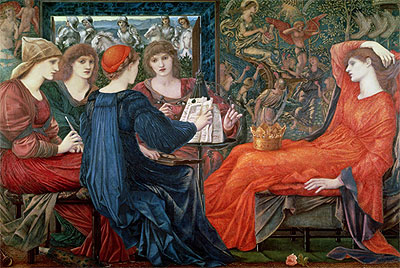
Ölgemälde Reproduktion
Wenn Sie eine andere Größe als die angebotene wünschen
Beschreibung
Gemalt von europäischen Künstlern mit akademischer Ausbildung
Museumsqualität
+ 4 cm Spielraum zum Dehnen
Erstellungszeit: 8-9 Wochen
Erstellungsprozess
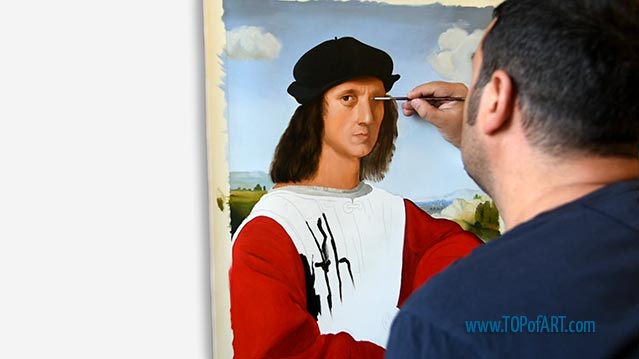
Wir schaffen unsere Gemälde in Museumsqualität und unter Berücksichtigung höchster akademischer Standards. Die Gemälde-Reproduktion wird vollständig mit Ölfarben auf eine leere Leinwand gemalt. Wir fügen zusätzlich 4 cm leeren Abstand über die angebotene Gröβe hinzu, welche für strecken der Leinwand auf den Keilrahmen benutzt werden.
Die Schaffung Ihrer Sir Edward Burne-Jones nimmt Zeit in Anspruch. Das Bild sollte nicht zu schnell gemalt werden, man sollte keinen Fristen hinterherjagen. Das Bild benötigt Zeit, um hohe Qualität und Detailtreue zu erreichen, sowie um vollständig versandbereit zu trocknen. Abhängig vom Aufwand, von der Detailgetreue und Bildgröße, brauchen wir 8-9 Wochen, um das Bild fertig zu stellen.
Wenn eine Änderung in Bezug auf die Frist notwendig sein sollte, oder sollte Ihre Bestellung in einer für uns äuβerst belebten Periode aufgegeben werden, werden wir Sie per E-Mail über die, von uns für Ihre Reproduktion gebrauchte Zeit, informiert.
Wir rahmen unsere Ölgemälde-Reproduktionen nicht ein. Die Ölgemälde sind ein kostenaufwendiges Produkt, und die Gefahr einer Beschädigung eines im Rahmen gespannten Gemäldes während des Transportes ist äuβerst hoch.
Außerdem gibt es postalische Beschränkungen bezüglich der Größe der Sendung.
Darüber hinaus kann der Versandpreis aufgrund der Abmessungen der gespannten Leinwand den Preis des Produkts selbst übersteigen.
Sie können Ihr Gemälde in Ihrem örtlichen Rahmengeschäft aufspannen und einrahmen.
Versand
Sobald das Gemälde Laus Veneris fertig und trocken ist, wird es an Ihre Lieferadresse versendet.
Wir bieten kostenlosen Versand sowie kostenpflichtige Express-Transportdienste an.
Die Leinwand es eingerollt, in einem festen und sicheren Versandrohr. Sie können den Versandpreis mit dem Tool Geschätzte Steuern und Versandgebühren überprüfen.
Museumsqualität
TOPofART Gemälden stellen wir nur mit Museumsqualität her. Unsere Künstler mit akademischer Ausbildung lassen keine Kompromisse in Bezug auf die Qualität und der Detailtreue des bestellten Gemäldes zu. Wir pflegen keine Zusammenarbeit und werden nie eine solche mit Ateliers mit niedriger Qualität aus dem Fernen Osten zulassen. Wir sind in Europa ansässig, und Qualität ist unsere leitende Priorität.

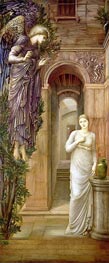
Die Verkündigung 1879
€4720
€55.33
Sir Edward Burne-Jones
Originalmaß:250 x 104.5 cm
Merseyside Maritime Museum, Liverpool, UK
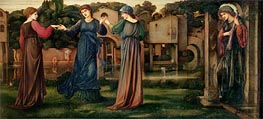
Die Mühle c.1872/80
€2405
€55.33
Sir Edward Burne-Jones
Originalmaß:90.9 x 197.6 cm
Victoria and Albert Museum, London, UK
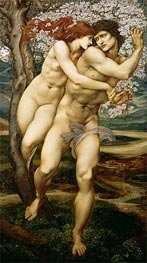
Der Baum der Vergebung c.1881/82
€2774
€55.80
Sir Edward Burne-Jones
Originalmaß:190.5 x 106.7 cm
Lady Lever Art Gallery, Port Sunlight, UK
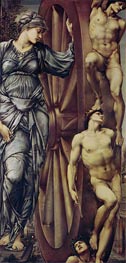
Das Rad der Fortuna c.1875/83
€3524
€55.33
Sir Edward Burne-Jones
Originalmaß:199 x 100 cm
Musee d'Orsay, Paris, France
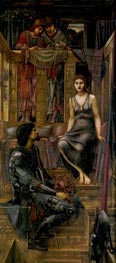
König Kophetua und das Bettelmädchen 1884
€4204
€55.33
Sir Edward Burne-Jones
Originalmaß:293.4 x 135.9 cm
Tate Gallery, London, UK