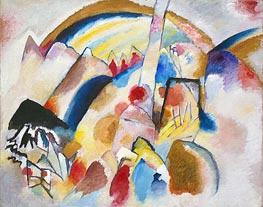
Abstract Paintings - Page 18
Abstract painting is a style of art that emerged in the early 20th century as a response to the traditional forms of representation. It is characterized by non-representational forms, colors, and shapes that challenge the viewer's perceptions of reality. The movement was inspired by various sources, including Primitivism, Futurism, Cubism, and Expressionism.
Abstract painting is considered to be one of the most significant art movements of the 20th century and continues to influence contemporary art. It is a form of non-representational art, meaning that it does not depict recognizable objects or scenes from the natural world. Instead, it uses color, shape, texture, and form to create an emotional response in the viewer.
The origins of abstract painting can be traced back to the late 19th and early 20th centuries, when artists began to experiment with new forms of expression that went beyond the traditional representational style. Early pioneers of abstract art include Wassily Kandinsky, Kazimir Malevich, and Piet Mondrian.
One of the key features of abstract painting is the use of color as an expressive element in its own right. Artists such as Mark Rothko and Joan Mitchell used color in a highly emotional and expressive way, creating large, monochromatic canvases that sought to evoke a sense of spiritual transcendence.
Abstract Expressionism is another important offshoot of abstract painting. It emerged in the United States in the 1940s and 1950s and was characterized by gestural brushwork and the use of large canvases. Artists such as Jackson Pollock, Willem de Kooning, and Franz Kline became synonymous with this movement, which was seen as a highly individualistic and expressive form of art.
In conclusion, abstract painting is a diverse and complex art form that continues to evolve and inspire artists. Despite its non-representational nature, it has a rich history and has had a profound impact on the development of modern art.
Abstract painting is considered to be one of the most significant art movements of the 20th century and continues to influence contemporary art. It is a form of non-representational art, meaning that it does not depict recognizable objects or scenes from the natural world. Instead, it uses color, shape, texture, and form to create an emotional response in the viewer.
The origins of abstract painting can be traced back to the late 19th and early 20th centuries, when artists began to experiment with new forms of expression that went beyond the traditional representational style. Early pioneers of abstract art include Wassily Kandinsky, Kazimir Malevich, and Piet Mondrian.
One of the key features of abstract painting is the use of color as an expressive element in its own right. Artists such as Mark Rothko and Joan Mitchell used color in a highly emotional and expressive way, creating large, monochromatic canvases that sought to evoke a sense of spiritual transcendence.
Abstract Expressionism is another important offshoot of abstract painting. It emerged in the United States in the 1940s and 1950s and was characterized by gestural brushwork and the use of large canvases. Artists such as Jackson Pollock, Willem de Kooning, and Franz Kline became synonymous with this movement, which was seen as a highly individualistic and expressive form of art.
In conclusion, abstract painting is a diverse and complex art form that continues to evolve and inspire artists. Despite its non-representational nature, it has a rich history and has had a profound impact on the development of modern art.
page 18 of 20
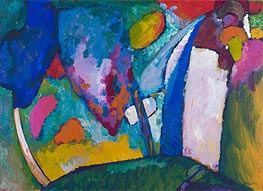
SKU: KAW-16112
Wassily Kandinsky
Original Size: 70 x 97.8 cm
Yale University Art Gallery, Connecticut, USA
Wassily Kandinsky
Original Size: 70 x 97.8 cm
Yale University Art Gallery, Connecticut, USA
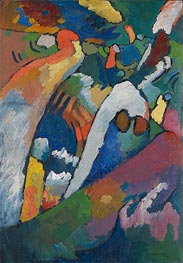
SKU: KAW-16111
Wassily Kandinsky
Original Size: 70 x 48.7 cm
Yale University Art Gallery, Connecticut, USA
Wassily Kandinsky
Original Size: 70 x 48.7 cm
Yale University Art Gallery, Connecticut, USA
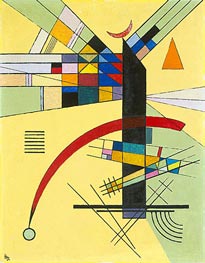
SKU: KAW-16110
Wassily Kandinsky
Original Size: 41.5 x 32.3 cm
Yale University Art Gallery, Connecticut, USA
Wassily Kandinsky
Original Size: 41.5 x 32.3 cm
Yale University Art Gallery, Connecticut, USA
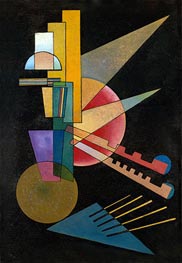
SKU: KAW-16109
Wassily Kandinsky
Original Size: 49.5 x 34.6 cm
Yale University Art Gallery, Connecticut, USA
Wassily Kandinsky
Original Size: 49.5 x 34.6 cm
Yale University Art Gallery, Connecticut, USA
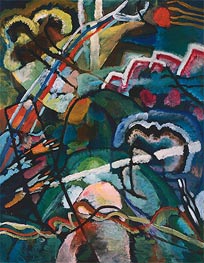
Sketch I for Painting with White Border (Moscow) 1913
Wassily KandinskyOil Painting
$1110
$1110
Canvas Print
$74.85
$74.85
SKU: KAW-16106
Wassily Kandinsky
Original Size: 100 x 78.4 cm
Phillips Collection, Washington, USA
Wassily Kandinsky
Original Size: 100 x 78.4 cm
Phillips Collection, Washington, USA
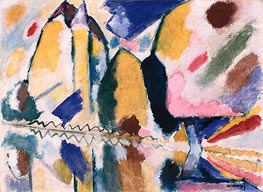
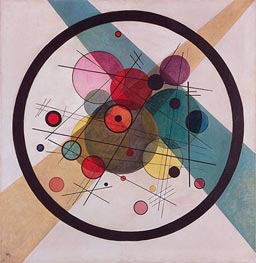
SKU: KAW-16104
Wassily Kandinsky
Original Size: 98.7 x 95.6 cm
Philadelphia Museum of Art, Pennsylvania, USA
Wassily Kandinsky
Original Size: 98.7 x 95.6 cm
Philadelphia Museum of Art, Pennsylvania, USA
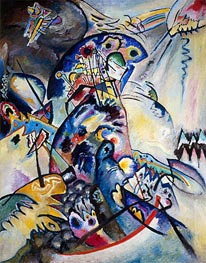
SKU: KAW-16103
Wassily Kandinsky
Original Size: 133 x 104 cm
State Russian Museum, St. Petersburg, Russia
Wassily Kandinsky
Original Size: 133 x 104 cm
State Russian Museum, St. Petersburg, Russia
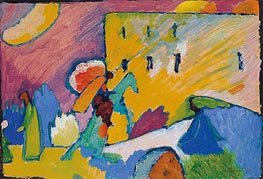
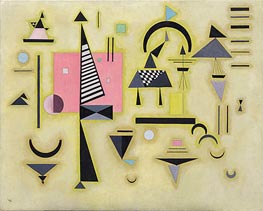
SKU: KAW-16101
Wassily Kandinsky
Original Size: 81 x 100 cm
Solomon R. Guggenheim Museum, New York, USA
Wassily Kandinsky
Original Size: 81 x 100 cm
Solomon R. Guggenheim Museum, New York, USA
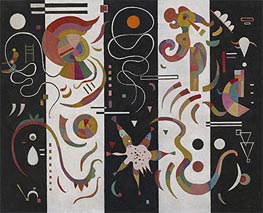
SKU: KAW-16100
Wassily Kandinsky
Original Size: 81 x 100 cm
Solomon R. Guggenheim Museum, New York, USA
Wassily Kandinsky
Original Size: 81 x 100 cm
Solomon R. Guggenheim Museum, New York, USA
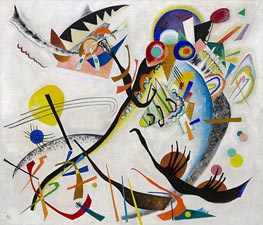
SKU: KAW-16099
Wassily Kandinsky
Original Size: 120.6 x 140 cm
Solomon R. Guggenheim Museum, New York, USA
Wassily Kandinsky
Original Size: 120.6 x 140 cm
Solomon R. Guggenheim Museum, New York, USA
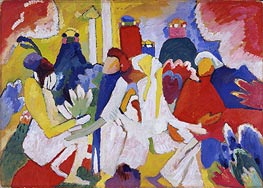
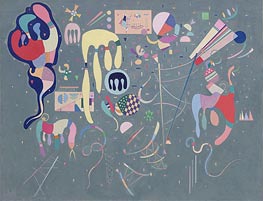
SKU: KAW-16097
Wassily Kandinsky
Original Size: 89.2 x 116 cm
Solomon R. Guggenheim Museum, New York, USA
Wassily Kandinsky
Original Size: 89.2 x 116 cm
Solomon R. Guggenheim Museum, New York, USA
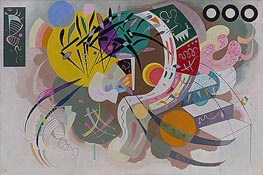
SKU: KAW-16096
Wassily Kandinsky
Original Size: 129.2 x 194.3 cm
Solomon R. Guggenheim Museum, New York, USA
Wassily Kandinsky
Original Size: 129.2 x 194.3 cm
Solomon R. Guggenheim Museum, New York, USA
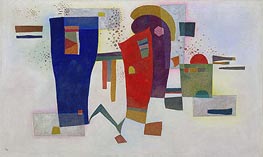
SKU: KAW-16095
Wassily Kandinsky
Original Size: 97 x 162 cm
Solomon R. Guggenheim Museum, New York, USA
Wassily Kandinsky
Original Size: 97 x 162 cm
Solomon R. Guggenheim Museum, New York, USA
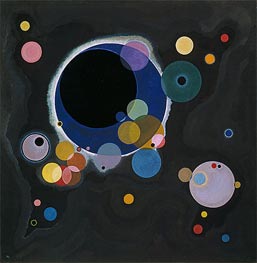
SKU: KAW-16094
Wassily Kandinsky
Original Size: 140.3 x 140.7 cm
Solomon R. Guggenheim Museum, New York, USA
Wassily Kandinsky
Original Size: 140.3 x 140.7 cm
Solomon R. Guggenheim Museum, New York, USA
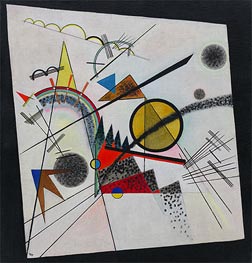
SKU: KAW-16093
Wassily Kandinsky
Original Size: 97.5 x 93.3 cm
Solomon R. Guggenheim Museum, New York, USA
Wassily Kandinsky
Original Size: 97.5 x 93.3 cm
Solomon R. Guggenheim Museum, New York, USA
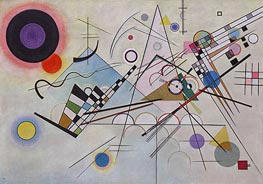
SKU: KAW-16092
Wassily Kandinsky
Original Size: 140 x 201 cm
Solomon R. Guggenheim Museum, New York, USA
Wassily Kandinsky
Original Size: 140 x 201 cm
Solomon R. Guggenheim Museum, New York, USA
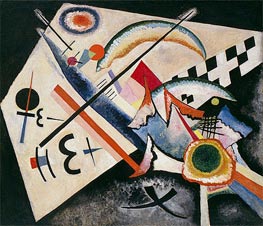
SKU: KAW-16091
Wassily Kandinsky
Original Size: 100.5 x 110.6 cm
Solomon R. Guggenheim Museum, New York, USA
Wassily Kandinsky
Original Size: 100.5 x 110.6 cm
Solomon R. Guggenheim Museum, New York, USA
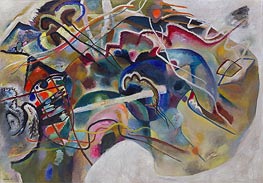
SKU: KAW-16090
Wassily Kandinsky
Original Size: 140.3 x 200.3 cm
Solomon R. Guggenheim Museum, New York, USA
Wassily Kandinsky
Original Size: 140.3 x 200.3 cm
Solomon R. Guggenheim Museum, New York, USA