Portrait Painting Reproductions - Page 109
Portrait painting is a genre of art that has a long and rich history, dating back to ancient civilizations such as Egypt, Greece, and Rome. During the Renaissance, portrait painting became a highly regarded art form, with artists such as Leonardo da Vinci, Jan van Eyck, and Michelangelo creating masterpieces that remain renowned to this day. In the centuries that followed, portrait painting continued to be a popular genre, with artists such as Rembrandt, Rubens, and Velazquez creating iconic works. Today, portrait painting continues to be a vibrant and important genre, with artists using a wide range of styles and techniques to capture the likenesses and personalities of their subjects.
Portrait painting has been a means of documenting individuals and their likenesses throughout history, often commissioned by wealthy patrons as a symbol of status and wealth. The genre evolved over time, reflecting the changing cultural and artistic trends of each era. For example, during the Renaissance, artists sought to create lifelike and realistic depictions of their subjects, incorporating elements of anatomy, perspective, and light and shadow to create a sense of depth and volume. During the Baroque period, artists favored more dramatic and flamboyant styles, often incorporating allegorical elements into their portraits.
In the modern era, portrait painting has taken on a more democratic and populist character, with artists from a wider range of backgrounds and styles creating portraits of individuals from all walks of life. With the advent of photography, some have argued that the traditional practice of portrait painting has been threatened, but the genre has continued to thrive, with many artists using the medium to explore new creative avenues and challenge conventional notions of representation.
Overall, portrait painting remains a rich and dynamic genre, encompassing a wide range of styles, techniques, and subject matter, and continues to be a powerful means of capturing the human experience and recording the world around us.
Portrait painting has been a means of documenting individuals and their likenesses throughout history, often commissioned by wealthy patrons as a symbol of status and wealth. The genre evolved over time, reflecting the changing cultural and artistic trends of each era. For example, during the Renaissance, artists sought to create lifelike and realistic depictions of their subjects, incorporating elements of anatomy, perspective, and light and shadow to create a sense of depth and volume. During the Baroque period, artists favored more dramatic and flamboyant styles, often incorporating allegorical elements into their portraits.
In the modern era, portrait painting has taken on a more democratic and populist character, with artists from a wider range of backgrounds and styles creating portraits of individuals from all walks of life. With the advent of photography, some have argued that the traditional practice of portrait painting has been threatened, but the genre has continued to thrive, with many artists using the medium to explore new creative avenues and challenge conventional notions of representation.
Overall, portrait painting remains a rich and dynamic genre, encompassing a wide range of styles, techniques, and subject matter, and continues to be a powerful means of capturing the human experience and recording the world around us.
page 109 of 190
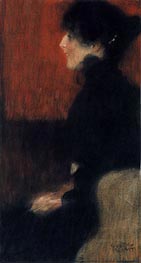
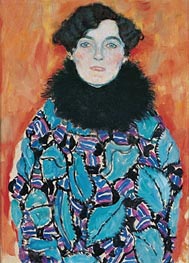
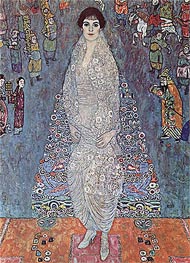
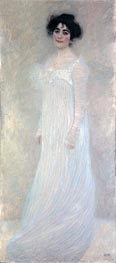
SKU: KLG-10094
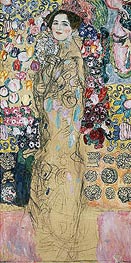
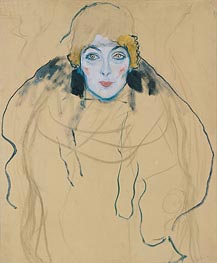
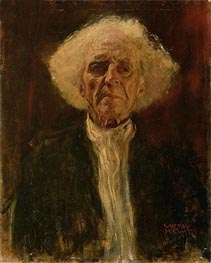
Gustav Klimt
Original Size: 51.1 x 27.7 cm
Allen Memorial Art Museum at Oberlin College, Ohio, USA
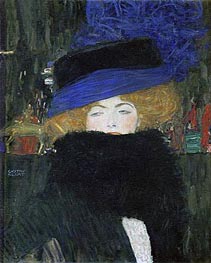
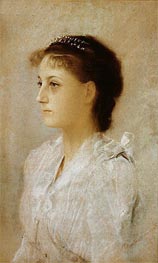
Gustav Klimt
Original Size: 51.1 x 27.7 cm
Allen Memorial Art Museum at Oberlin College, Ohio, USA
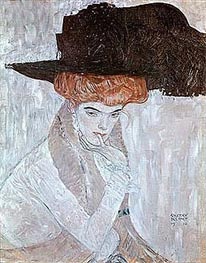
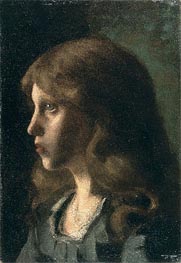
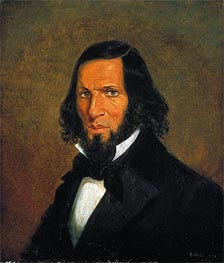
SKU: KRC-10053
Cornelius Krieghoff
Original Size: 28.8 x 24.8 cm
National Gallery of Art, Ottawa, Canada
Cornelius Krieghoff
Original Size: 28.8 x 24.8 cm
National Gallery of Art, Ottawa, Canada
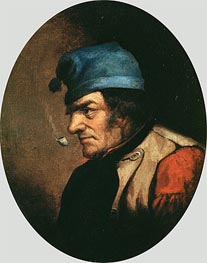
SKU: KRC-10047
Cornelius Krieghoff
Original Size: 30.8 x 25.2 cm
Art Gallery of Ontario, Toronto, Canada
Cornelius Krieghoff
Original Size: 30.8 x 25.2 cm
Art Gallery of Ontario, Toronto, Canada
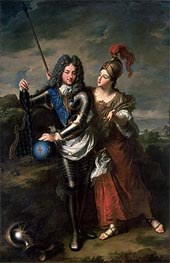
Philippe II d'Orleans the Regent of France and ... c.1716
Jean-Baptiste SanterreOil Painting
$5498
$5498
Canvas Print
$64.14
$64.14
SKU: SJB-10034
Jean-Baptiste Santerre
Original Size: unknown
Museum of Palace of Versailles, Paris, France
Jean-Baptiste Santerre
Original Size: unknown
Museum of Palace of Versailles, Paris, France
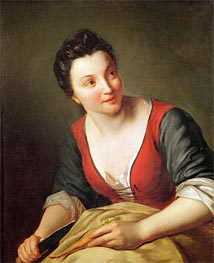
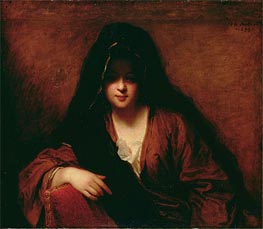
SKU: SJB-10032
Jean-Baptiste Santerre
Original Size: 80 x 92 cm
State Hermitage Museum, St. Petersburg, Russia
Jean-Baptiste Santerre
Original Size: 80 x 92 cm
State Hermitage Museum, St. Petersburg, Russia
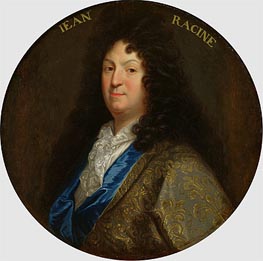
SKU: SJB-10031
Jean-Baptiste Santerre
Original Size: 75 x 75 cm
Museum of Palace of Versailles, Paris, France
Jean-Baptiste Santerre
Original Size: 75 x 75 cm
Museum of Palace of Versailles, Paris, France
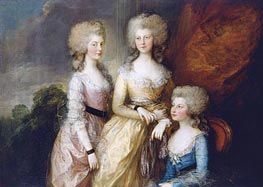
The Three Eldest Princesses: Charlotte, Princess ... 1784
Thomas GainsboroughOil Painting
$3420
$3420
Canvas Print
$64.14
$64.14
SKU: GAT-9985
Thomas Gainsborough
Original Size: 129.5 x 179.7 cm
The Royal Collection, London, UK
Thomas Gainsborough
Original Size: 129.5 x 179.7 cm
The Royal Collection, London, UK
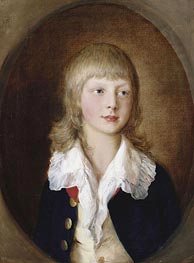
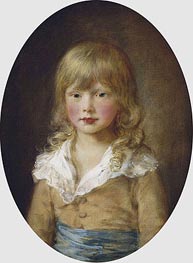
Prince Adolphus, later Duke of Cambridge 1782
Thomas GainsboroughOil Painting
$1422
$1422
Canvas Print
$64.14
$64.14
SKU: GAT-9983
Thomas Gainsborough
Original Size: 59.4 x 44.1 cm
The Royal Collection, London, UK
Thomas Gainsborough
Original Size: 59.4 x 44.1 cm
The Royal Collection, London, UK