
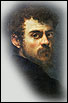
Jacopo Robusti Tintoretto Painting Reproductions 1 of 3
c.1518-1594
Italian Mannerist Painter
Venice in the 16th century was a republic of pigments and pageantry, and into this climate Jacopo Robusti was born around 1518, the son of a tintore, a silk dyer - hence the sobriquet Tintoretto, the “little dyer”. He died in the same city on 31 May 1594, having transformed its visual rhetoric with a velocity and audacity that contemporaries alternately admired and distrusted. He remained, throughout, unmistakably Venetian in allegiance, yet his imagination ranged beyond the lagoon, absorbing Tuscan plasticity and the muscular drama of Michelangelo into the chromatic luxuriance of his native school.
The documentary record is sparse. A will of 1539 identifies him as an independent professional, which tells us less about his finances than about his temperament. There is no surviving contract of apprenticeship. Carlo Ridolfi, writing a half century later, retails the anecdote of a brief, abortive tutelage under Titian, aborted by the elder’s jealousy. Whether apocryphal or not, the legend signals the perceived polarity between Titian’s measured authority and the younger man’s impetuous drive. A contemporary voice, more pragmatically, noted that Tintoretto forged his language from Michelangelesque form and Titianesque colour - an analysis more useful than gossip.
It is likely that his father first placed him with a competent but minor craftsman so that the essentials of the trade were secure. Early canvases betray an almost absolute linearity, soon softened as he surveyed the spectrum of experiments in Venice between 1530 and 1540, when the Giorgionesque tone-unity was being questioned. The influx of Roman artists after 1527, the Tuscan and Bolognese contacts, and Vasari’s 1541 visit collectively reintroduced a concern for sculptural definition without relinquishing Venetian luminosity. In this recalibrated idiom, light became not a caress but an engine, generating visionary space. Tintoretto’s youthful Sacre Conversazioni, including the 1540 panel with the Virgin turning the Child away, already test this synthesis, Michelangelo’s sinew nested in Venetian atmosphere.
His first clearly defined phase includes fourteen octagonal ceiling panels of mythological tales, reminders of the fashion for compartmentalised soffits that Vasari imported. Collaboration with Andrea Meldolla on the Palazzo Zen frescoes further shaped his practice; fresco, with its speed and irreversibility, encouraged his notorious rapidity. Much has perished, surviving only in later prints and fragments, but the medium’s discipline remained integral to his method. Equally formative were his drawing habits: studies from life, from sculpture, and from wax figurines posed under contrived lighting - miniature theatres in which he auditioned light’s dramaturgy.
By the mid-1540s he was tackling substantial religious narratives. Christ and the Adulteress (c. 1545–48) places attenuated figures in improbable perspective, their illumination distinctly Mannerist. The Last Supper at San Marcuola (1547) retreats to rough-hewn types, ordinary Venetians startled into sanctity. Then, in 1548, San Marco Freeing the Slave erupted into the public eye. Pietro Aretino’s admonitory praise confirms both Tintoretto’s success and his perceived excesses. The painting’s Roman structural echoes suggest, if not a Roman sojourn, at least an intense engagement with central Italian art. Yet he continued to experiment: the Genesis scenes for the Scuola della Trinità (1550–53) show renewed attention to Titian and to observed nature, while Susanna at her Bath (c. 1555) suspends a crystalline form in a poetic backdrop, light carving the figure rather than merely bathing it.
In 1555 he married Faustina Episcopi, who bore him eight children and anchored a household that doubled as workshop. Marietta, Domenico, and Marco would later assist him. This domestic structure did not blunt his solitude - noted by biographers - but provided continuity. During these years his palette brightened, perspectives acquired a decorative complexity, and he absorbed, then transmuted, elements from Paolo Veronese, active in the Doge’s Palace. Ceiling cycles of biblical narratives reveal this assimilation, while never quite relinquishing his own propensity for abrupt diagonals and light-charged voids.
The commission for the Madonna dell’Orto occupied roughly a decade and charts the evolution of his idiom. The Presentation of the Virgin (c. 1556) impressed Vasari as unusually finished - a telling compliment from a critic wary of Tintoretto’s haste. St. Peter’s Vision of the Cross and The Martyrdom of St. Paul set figures against vaporous light, a theatre of revelation rather than description. The vast Adoration of the Golden Calf and the Last Judgment pair narrative amplitude with theological linkage, signalling his familiarity with Scripture and current devotional currents. Spatially, these canvases oscillate between precipitate descent and sudden elevation, their figures caught in that instability. Christ Healing the Paralytic at San Rocco (1559) compresses bodies beneath a foreshortened ceiling, while St. George and the Dragon opens into a deep, segmented landscape. Such variability was not caprice but method.
May 1564 brought the decisive engagement with the Scuola Grande di San Rocco. In need of permanent decoration, the confraternity invited designs. Tintoretto bypassed protocol by installing, unbidden, his St. Roch in Glory - an act of audacity that secured the commission. The Crucifixion (1565) in the Sala dell’Albergo is a study in livid illumination, colour muted to heighten drama. The cycle concluded in 1567, but he returned to the Scuola repeatedly. By 1581, the ceiling’s ovals and chiaroscuro rhomboids and the teleri on the walls completed the program, a concordance of Old and New Testament episodes reminiscent of the Biblia Pauperum. If the mythological allegories for the Doge’s Palace of the same year show a more polished, almost academic veneer, the core of his vocation lay with San Rocco - a visual Bible for Venice’s poor and sick, unbound by Counter-Reformation prescriptions.
The fire of 1577 that damaged the Doge’s Palace generated further commissions. By then Marietta and Domenico were guild officers, and the workshop absorbed northern apprentices. Delegation became necessity. The Gonzaga Cycle (1579–80) and the canvases for the Halls of Scrutinio and Maggior Consiglio bear the marks of collaboration, yet even here his compositional instincts pierce through. His priorities, however, clearly favoured the completion of San Rocco over civic grandeur.
The late 1580s reveal a painter ever more preoccupied with light as substance. In the lower hall of San Rocco (1583–87), episodes from the lives of Mary and Christ dissolve colour into diaphanous flicker. Space multiplies into receding vistas, scenery sometimes commanding the human actors. The contemplative turn is palpable: St. Mary of Egypt and St. Mary Magdalene inhabit incandescent haze, emblems of withdrawal and reflection by a septuagenarian artist parsing destiny through faith. A modello for Paradise for the Doge’s Palace and the Last Supper of San Giorgio Maggiore (1592–94), with incorporeal angels threading the air, reaffirm this late spirituality. He died soon after and was interred in Madonna dell’Orto beside Marietta, his favoured child.
His legacy has oscillated. Seventeenth-century Venetians, notably Marco Boschini, appreciated his luminism; Roger de Piles followed suit. Eighteenth-century critics, marching toward Neoclassical restraint, found him excessive. John Ruskin’s Romantic fervour in the nineteenth century reasserted his stature. Modern historiography positions him as a central Mannerist within a Venetian continuum, a painter whose technique and vision never ossified. Though his family likely hailed from Lucca, his identity is inseparable from Venice - its rituals, its institutions, its mythologies. He chronicled, questioned, and expanded that world, leaving a corpus that resists neat categorisation precisely because it never ceased to evolve.
The documentary record is sparse. A will of 1539 identifies him as an independent professional, which tells us less about his finances than about his temperament. There is no surviving contract of apprenticeship. Carlo Ridolfi, writing a half century later, retails the anecdote of a brief, abortive tutelage under Titian, aborted by the elder’s jealousy. Whether apocryphal or not, the legend signals the perceived polarity between Titian’s measured authority and the younger man’s impetuous drive. A contemporary voice, more pragmatically, noted that Tintoretto forged his language from Michelangelesque form and Titianesque colour - an analysis more useful than gossip.
It is likely that his father first placed him with a competent but minor craftsman so that the essentials of the trade were secure. Early canvases betray an almost absolute linearity, soon softened as he surveyed the spectrum of experiments in Venice between 1530 and 1540, when the Giorgionesque tone-unity was being questioned. The influx of Roman artists after 1527, the Tuscan and Bolognese contacts, and Vasari’s 1541 visit collectively reintroduced a concern for sculptural definition without relinquishing Venetian luminosity. In this recalibrated idiom, light became not a caress but an engine, generating visionary space. Tintoretto’s youthful Sacre Conversazioni, including the 1540 panel with the Virgin turning the Child away, already test this synthesis, Michelangelo’s sinew nested in Venetian atmosphere.
His first clearly defined phase includes fourteen octagonal ceiling panels of mythological tales, reminders of the fashion for compartmentalised soffits that Vasari imported. Collaboration with Andrea Meldolla on the Palazzo Zen frescoes further shaped his practice; fresco, with its speed and irreversibility, encouraged his notorious rapidity. Much has perished, surviving only in later prints and fragments, but the medium’s discipline remained integral to his method. Equally formative were his drawing habits: studies from life, from sculpture, and from wax figurines posed under contrived lighting - miniature theatres in which he auditioned light’s dramaturgy.
By the mid-1540s he was tackling substantial religious narratives. Christ and the Adulteress (c. 1545–48) places attenuated figures in improbable perspective, their illumination distinctly Mannerist. The Last Supper at San Marcuola (1547) retreats to rough-hewn types, ordinary Venetians startled into sanctity. Then, in 1548, San Marco Freeing the Slave erupted into the public eye. Pietro Aretino’s admonitory praise confirms both Tintoretto’s success and his perceived excesses. The painting’s Roman structural echoes suggest, if not a Roman sojourn, at least an intense engagement with central Italian art. Yet he continued to experiment: the Genesis scenes for the Scuola della Trinità (1550–53) show renewed attention to Titian and to observed nature, while Susanna at her Bath (c. 1555) suspends a crystalline form in a poetic backdrop, light carving the figure rather than merely bathing it.
In 1555 he married Faustina Episcopi, who bore him eight children and anchored a household that doubled as workshop. Marietta, Domenico, and Marco would later assist him. This domestic structure did not blunt his solitude - noted by biographers - but provided continuity. During these years his palette brightened, perspectives acquired a decorative complexity, and he absorbed, then transmuted, elements from Paolo Veronese, active in the Doge’s Palace. Ceiling cycles of biblical narratives reveal this assimilation, while never quite relinquishing his own propensity for abrupt diagonals and light-charged voids.
The commission for the Madonna dell’Orto occupied roughly a decade and charts the evolution of his idiom. The Presentation of the Virgin (c. 1556) impressed Vasari as unusually finished - a telling compliment from a critic wary of Tintoretto’s haste. St. Peter’s Vision of the Cross and The Martyrdom of St. Paul set figures against vaporous light, a theatre of revelation rather than description. The vast Adoration of the Golden Calf and the Last Judgment pair narrative amplitude with theological linkage, signalling his familiarity with Scripture and current devotional currents. Spatially, these canvases oscillate between precipitate descent and sudden elevation, their figures caught in that instability. Christ Healing the Paralytic at San Rocco (1559) compresses bodies beneath a foreshortened ceiling, while St. George and the Dragon opens into a deep, segmented landscape. Such variability was not caprice but method.
May 1564 brought the decisive engagement with the Scuola Grande di San Rocco. In need of permanent decoration, the confraternity invited designs. Tintoretto bypassed protocol by installing, unbidden, his St. Roch in Glory - an act of audacity that secured the commission. The Crucifixion (1565) in the Sala dell’Albergo is a study in livid illumination, colour muted to heighten drama. The cycle concluded in 1567, but he returned to the Scuola repeatedly. By 1581, the ceiling’s ovals and chiaroscuro rhomboids and the teleri on the walls completed the program, a concordance of Old and New Testament episodes reminiscent of the Biblia Pauperum. If the mythological allegories for the Doge’s Palace of the same year show a more polished, almost academic veneer, the core of his vocation lay with San Rocco - a visual Bible for Venice’s poor and sick, unbound by Counter-Reformation prescriptions.
The fire of 1577 that damaged the Doge’s Palace generated further commissions. By then Marietta and Domenico were guild officers, and the workshop absorbed northern apprentices. Delegation became necessity. The Gonzaga Cycle (1579–80) and the canvases for the Halls of Scrutinio and Maggior Consiglio bear the marks of collaboration, yet even here his compositional instincts pierce through. His priorities, however, clearly favoured the completion of San Rocco over civic grandeur.
The late 1580s reveal a painter ever more preoccupied with light as substance. In the lower hall of San Rocco (1583–87), episodes from the lives of Mary and Christ dissolve colour into diaphanous flicker. Space multiplies into receding vistas, scenery sometimes commanding the human actors. The contemplative turn is palpable: St. Mary of Egypt and St. Mary Magdalene inhabit incandescent haze, emblems of withdrawal and reflection by a septuagenarian artist parsing destiny through faith. A modello for Paradise for the Doge’s Palace and the Last Supper of San Giorgio Maggiore (1592–94), with incorporeal angels threading the air, reaffirm this late spirituality. He died soon after and was interred in Madonna dell’Orto beside Marietta, his favoured child.
His legacy has oscillated. Seventeenth-century Venetians, notably Marco Boschini, appreciated his luminism; Roger de Piles followed suit. Eighteenth-century critics, marching toward Neoclassical restraint, found him excessive. John Ruskin’s Romantic fervour in the nineteenth century reasserted his stature. Modern historiography positions him as a central Mannerist within a Venetian continuum, a painter whose technique and vision never ossified. Though his family likely hailed from Lucca, his identity is inseparable from Venice - its rituals, its institutions, its mythologies. He chronicled, questioned, and expanded that world, leaving a corpus that resists neat categorisation precisely because it never ceased to evolve.
105 Tintoretto Paintings
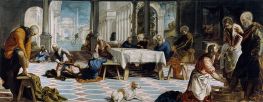
Christ Washing the Feet of His Disciples c.1548/49
Oil Painting
$8562
$8562
Canvas Print
$63.77
$63.77
SKU: JTT-893
Jacopo Robusti Tintoretto
Original Size: 210 x 533 cm
Prado Museum, Madrid, Spain
Jacopo Robusti Tintoretto
Original Size: 210 x 533 cm
Prado Museum, Madrid, Spain
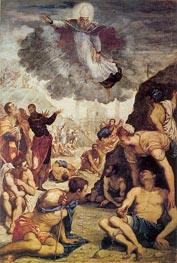
The Miracle of St. Augustine c.1549
Oil Painting
$6358
$6358
Canvas Print
$63.77
$63.77
SKU: JTT-894
Jacopo Robusti Tintoretto
Original Size: 255 x 175 cm
Museo Civico, Vicenza, Italy
Jacopo Robusti Tintoretto
Original Size: 255 x 175 cm
Museo Civico, Vicenza, Italy
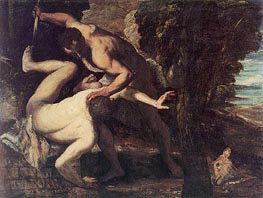
The Murder of Abel c.1551/52
Oil Painting
$2964
$2964
Canvas Print
$63.77
$63.77
SKU: JTT-895
Jacopo Robusti Tintoretto
Original Size: 149 x 196 cm
Gallerie dell'Accademia, Venice, Italy
Jacopo Robusti Tintoretto
Original Size: 149 x 196 cm
Gallerie dell'Accademia, Venice, Italy
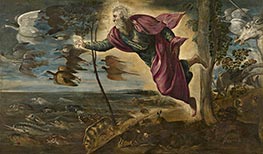
The Creation of the Animals c.1551/52
Oil Painting
$3126
$3126
Canvas Print
$63.77
$63.77
SKU: JTT-896
Jacopo Robusti Tintoretto
Original Size: 151 x 258 cm
Gallerie dell'Accademia, Venice, Italy
Jacopo Robusti Tintoretto
Original Size: 151 x 258 cm
Gallerie dell'Accademia, Venice, Italy
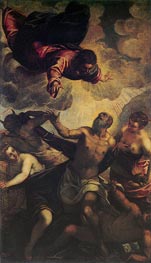
The Temptation of St. Anthony c.1577
Oil Painting
$3837
$3837
Canvas Print
$63.77
$63.77
SKU: JTT-897
Jacopo Robusti Tintoretto
Original Size: 282 x 165 cm
San Trovaso, Venice, Italy
Jacopo Robusti Tintoretto
Original Size: 282 x 165 cm
San Trovaso, Venice, Italy
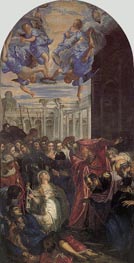
The Miracle of St. Agnes c.1563
Oil Painting
$17030
$17030
Canvas Print
$63.77
$63.77
SKU: JTT-898
Jacopo Robusti Tintoretto
Original Size: 400 x 200 cm
Madonna dell'Orto Church, Venice, Italy
Jacopo Robusti Tintoretto
Original Size: 400 x 200 cm
Madonna dell'Orto Church, Venice, Italy
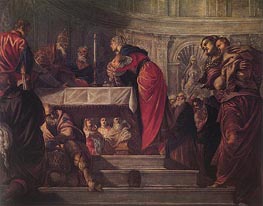
The Presentation of Christ in the Temple c.1550/55
Oil Painting
$6829
$6829
Canvas Print
$63.77
$63.77
SKU: JTT-899
Jacopo Robusti Tintoretto
Original Size: 239 x 298 cm
Gallerie dell'Accademia, Venice, Italy
Jacopo Robusti Tintoretto
Original Size: 239 x 298 cm
Gallerie dell'Accademia, Venice, Italy
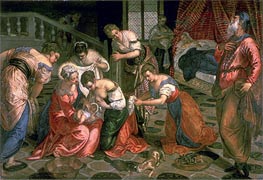
The Birth of John the Baptist c.1550/59
Oil Painting
$8293
$8293
Canvas Print
$110.01
$110.01
SKU: JTT-900
Jacopo Robusti Tintoretto
Original Size: 181 x 266 cm
Hermitage Museum, St. Petersburg, Russia
Jacopo Robusti Tintoretto
Original Size: 181 x 266 cm
Hermitage Museum, St. Petersburg, Russia
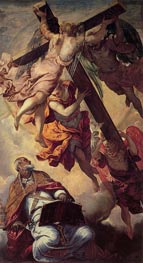
The Vision of St. Peter c.1552
Oil Painting
$4054
$4054
Canvas Print
$63.77
$63.77
SKU: JTT-901
Jacopo Robusti Tintoretto
Original Size: 420 x 240 cm
Madonna dell'Orto Church, Venice, Italy
Jacopo Robusti Tintoretto
Original Size: 420 x 240 cm
Madonna dell'Orto Church, Venice, Italy
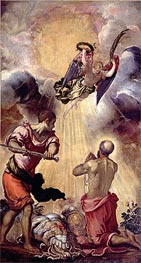
The Execution of St Paul c.1552
Oil Painting
$3584
$3584
Canvas Print
$86.64
$86.64
SKU: JTT-902
Jacopo Robusti Tintoretto
Original Size: 500 x 245 cm
Madonna dell'Orto Church, Venice, Italy
Jacopo Robusti Tintoretto
Original Size: 500 x 245 cm
Madonna dell'Orto Church, Venice, Italy
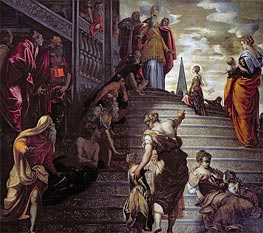
The Presentation of the Virgin c.1553/56
Oil Painting
$8976
$8976
Canvas Print
$106.21
$106.21
SKU: JTT-903
Jacopo Robusti Tintoretto
Original Size: 429 x 480 cm
Madonna dell'Orto Church, Venice, Italy
Jacopo Robusti Tintoretto
Original Size: 429 x 480 cm
Madonna dell'Orto Church, Venice, Italy
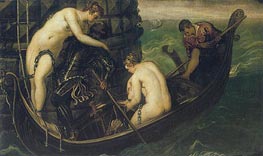
The Liberation of Arsinoe c.1556
Oil Painting
$3082
$3082
Canvas Print
$63.77
$63.77
SKU: JTT-904
Jacopo Robusti Tintoretto
Original Size: 153 x 251 cm
Gemaldegalerie Alte Meister, Dresden, Germany
Jacopo Robusti Tintoretto
Original Size: 153 x 251 cm
Gemaldegalerie Alte Meister, Dresden, Germany
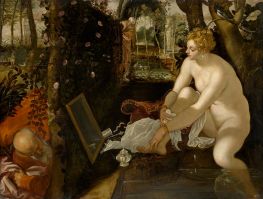
Susanna and the Elders c.1555/56
Oil Painting
$2964
$2964
Canvas Print
$73.09
$73.09
SKU: JTT-905
Jacopo Robusti Tintoretto
Original Size: 146 x 93.6 cm
Kunsthistorisches Museum, Vienna, Austria
Jacopo Robusti Tintoretto
Original Size: 146 x 93.6 cm
Kunsthistorisches Museum, Vienna, Austria
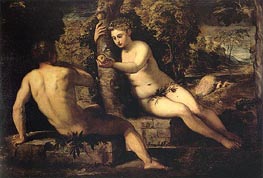
The Temptation of Adam c.1551/52
Oil Painting
$2699
$2699
Canvas Print
$63.77
$63.77
SKU: JTT-906
Jacopo Robusti Tintoretto
Original Size: 150 x 220 cm
Gallerie dell'Accademia, Venice, Italy
Jacopo Robusti Tintoretto
Original Size: 150 x 220 cm
Gallerie dell'Accademia, Venice, Italy
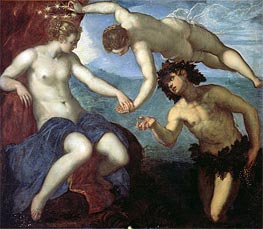
The Discovery of Ariadne 1578
Oil Painting
$3044
$3044
Canvas Print
$114.86
$114.86
SKU: JTT-907
Jacopo Robusti Tintoretto
Original Size: unknown
Palazzo Ducale, Venice, Italy
Jacopo Robusti Tintoretto
Original Size: unknown
Palazzo Ducale, Venice, Italy
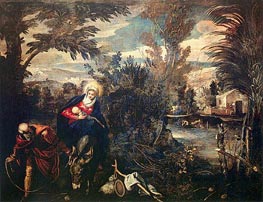
The Flight into Egypt c.1582/87
Oil Painting
$2654
$2654
Canvas Print
$63.77
$63.77
SKU: JTT-908
Jacopo Robusti Tintoretto
Original Size: 422 x 580 cm
San Rocco, Venice, Italy
Jacopo Robusti Tintoretto
Original Size: 422 x 580 cm
San Rocco, Venice, Italy
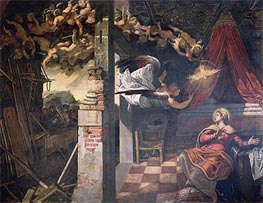
The Annunciation c.1582/87
Oil Painting
$10387
$10387
Canvas Print
$63.77
$63.77
SKU: JTT-909
Jacopo Robusti Tintoretto
Original Size: 422 x 545 cm
San Rocco, Venice, Italy
Jacopo Robusti Tintoretto
Original Size: 422 x 545 cm
San Rocco, Venice, Italy
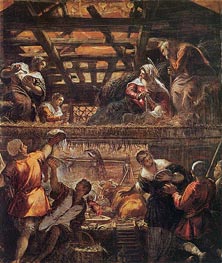
The Adoration of the Shepherds c.1577/81
Oil Painting
$5889
$5889
Canvas Print
$63.77
$63.77
SKU: JTT-910
Jacopo Robusti Tintoretto
Original Size: 542 x 455 cm
San Rocco, Venice, Italy
Jacopo Robusti Tintoretto
Original Size: 542 x 455 cm
San Rocco, Venice, Italy
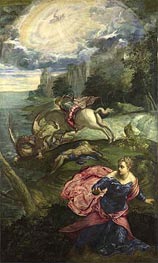
Saint George and the Dragon c.1553
Oil Painting
$2190
$2190
Canvas Print
$63.77
$63.77
SKU: JTT-911
Jacopo Robusti Tintoretto
Original Size: 157.5 x 100.3 cm
National Gallery, London, UK
Jacopo Robusti Tintoretto
Original Size: 157.5 x 100.3 cm
National Gallery, London, UK
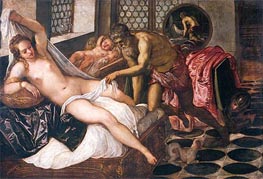
Mars and Venus Surprised by Vulcan c.1555
Oil Painting
$5212
$5212
Canvas Print
$109.79
$109.79
SKU: JTT-912
Jacopo Robusti Tintoretto
Original Size: 135 x 198 cm
Alte Pinakothek, Munich, Germany
Jacopo Robusti Tintoretto
Original Size: 135 x 198 cm
Alte Pinakothek, Munich, Germany
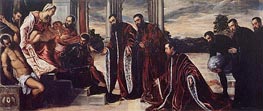
Madonna of the Treasurers c.1567
Oil Painting
$15945
$15945
Canvas Print
$63.77
$63.77
SKU: JTT-913
Jacopo Robusti Tintoretto
Original Size: 221 x 521 cm
Gallerie dell'Accademia, Venice, Italy
Jacopo Robusti Tintoretto
Original Size: 221 x 521 cm
Gallerie dell'Accademia, Venice, Italy
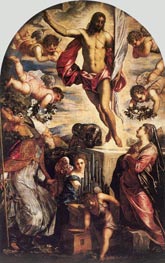
The Resurrection of Christ 1565
Oil Painting
$7496
$7496
Canvas Print
$63.77
$63.77
SKU: JTT-914
Jacopo Robusti Tintoretto
Original Size: 350 x 230 cm
San Cassiano, Venice, Italy
Jacopo Robusti Tintoretto
Original Size: 350 x 230 cm
San Cassiano, Venice, Italy
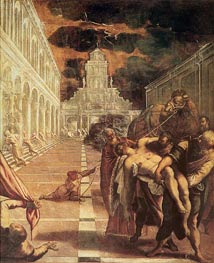
The Removal of the Body of St. Mark c.1562/66
Oil Painting
$5600
$5600
Canvas Print
$65.66
$65.66
SKU: JTT-915
Jacopo Robusti Tintoretto
Original Size: 398 x 315 cm
Gallerie dell'Accademia, Venice, Italy
Jacopo Robusti Tintoretto
Original Size: 398 x 315 cm
Gallerie dell'Accademia, Venice, Italy
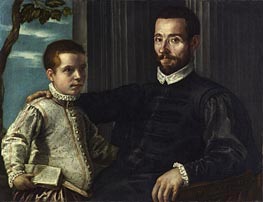
Portrait of a Nobleman with his Son n.d.
Oil Painting
$3542
$3542
Canvas Print
$123.40
$123.40
SKU: JTT-4251
Jacopo Robusti Tintoretto
Original Size: 73 x 96 cm
Liechtenstein Museum, Vienna, Austria
Jacopo Robusti Tintoretto
Original Size: 73 x 96 cm
Liechtenstein Museum, Vienna, Austria
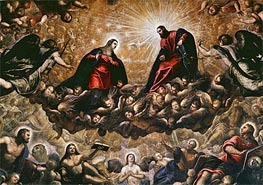
Paradise (detail) n.d.
Canvas Print
$113.19
$113.19
SKU: JTT-7872
Jacopo Robusti Tintoretto
Original Size: unknown
Palazzo Ducale, Venice, Italy
Jacopo Robusti Tintoretto
Original Size: unknown
Palazzo Ducale, Venice, Italy
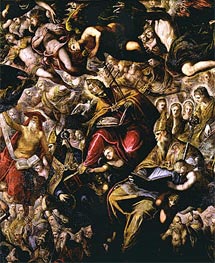
Paradise (detail) n.d.
Canvas Print
$131.56
$131.56
SKU: JTT-7873
Jacopo Robusti Tintoretto
Original Size: unknown
Palazzo Ducale, Venice, Italy
Jacopo Robusti Tintoretto
Original Size: unknown
Palazzo Ducale, Venice, Italy
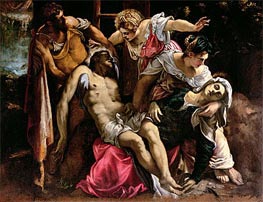
Deposition from the Cross c.1562
Oil Painting
$8962
$8962
Canvas Print
$74.15
$74.15
SKU: JTT-7874
Jacopo Robusti Tintoretto
Original Size: 227 x 294 cm
Gallerie dell'Accademia, Venice, Italy
Jacopo Robusti Tintoretto
Original Size: 227 x 294 cm
Gallerie dell'Accademia, Venice, Italy
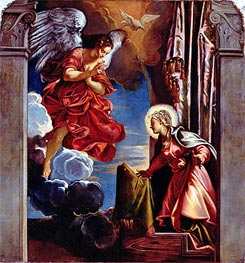
The Annunciation n.d.
Oil Painting
$3599
$3599
Canvas Print
$149.71
$149.71
SKU: JTT-7875
Jacopo Robusti Tintoretto
Original Size: unknown
San Rocco, Venice, Italy
Jacopo Robusti Tintoretto
Original Size: unknown
San Rocco, Venice, Italy
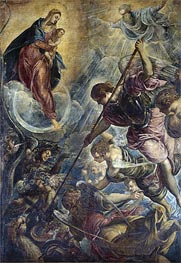
Archangel Michael Fights Satan c.1590
Oil Painting
$5070
$5070
Canvas Print
$66.59
$66.59
SKU: JTT-7876
Jacopo Robusti Tintoretto
Original Size: 318 x 220 cm
Gemaldegalerie Alte Meister, Dresden, Germany
Jacopo Robusti Tintoretto
Original Size: 318 x 220 cm
Gemaldegalerie Alte Meister, Dresden, Germany
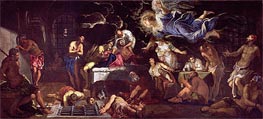
St. Roch Visited by an Angel in Prison 1567
Oil Painting
$10255
$10255
Canvas Print
$71.90
$71.90
SKU: JTT-7877
Jacopo Robusti Tintoretto
Original Size: 300 x 670 cm
San Rocco, Venice, Italy
Jacopo Robusti Tintoretto
Original Size: 300 x 670 cm
San Rocco, Venice, Italy
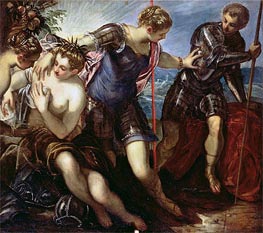
Minerva Repelling Mars 1578
Oil Painting
$3030
$3030
Canvas Print
$63.77
$63.77
SKU: JTT-7878
Jacopo Robusti Tintoretto
Original Size: unknown
Palazzo Ducale, Venice, Italy
Jacopo Robusti Tintoretto
Original Size: unknown
Palazzo Ducale, Venice, Italy
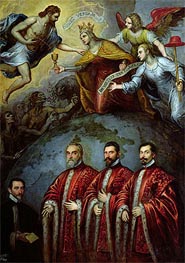
Allegory of Virtue above the Portraits of Three ... n.d.
Oil Painting
$5615
$5615
Canvas Print
$98.04
$98.04
SKU: JTT-7879
Jacopo Robusti Tintoretto
Original Size: unknown
Palazzo Ducale, Venice, Italy
Jacopo Robusti Tintoretto
Original Size: unknown
Palazzo Ducale, Venice, Italy
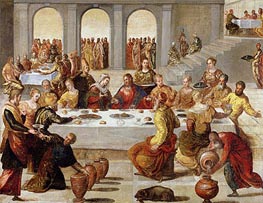
The Wedding Feast at Cana c.1545
Oil Painting
$6018
$6018
Canvas Print
$74.50
$74.50
SKU: JTT-7880
Jacopo Robusti Tintoretto
Original Size: 73.4 x 95 cm
Isabella Stewart Gardner Museum, Boston, USA
Jacopo Robusti Tintoretto
Original Size: 73.4 x 95 cm
Isabella Stewart Gardner Museum, Boston, USA
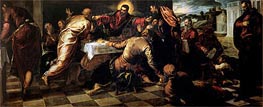
The Supper at Emmaus n.d.
Canvas Print
$63.77
$63.77
SKU: JTT-7881
Jacopo Robusti Tintoretto
Original Size: unknown
San Polo, Venice, Italy
Jacopo Robusti Tintoretto
Original Size: unknown
San Polo, Venice, Italy
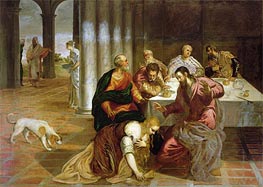
The Conversion of Mary Magdalene c.1546/47
Oil Painting
$5845
$5845
Canvas Print
$112.30
$112.30
SKU: JTT-7882
Jacopo Robusti Tintoretto
Original Size: 145 x 205 cm
Real Monasterio de San Lorenzo de El Escorial, Madrid, Spain
Jacopo Robusti Tintoretto
Original Size: 145 x 205 cm
Real Monasterio de San Lorenzo de El Escorial, Madrid, Spain
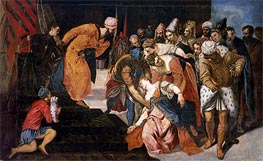
Esther before Ahasuerus 1548
Canvas Print
$96.44
$96.44
SKU: JTT-7883
Jacopo Robusti Tintoretto
Original Size: 212 x 343 cm
Real Monasterio de San Lorenzo de El Escorial, Madrid, Spain
Jacopo Robusti Tintoretto
Original Size: 212 x 343 cm
Real Monasterio de San Lorenzo de El Escorial, Madrid, Spain
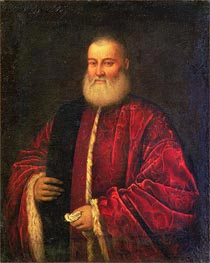
Portrait of an Old Man in Red Robes n.d.
Oil Painting
$3220
$3220
Canvas Print
$76.96
$76.96
SKU: JTT-7884
Jacopo Robusti Tintoretto
Original Size: unknown
Palazzo Pitti, Florence, Italy
Jacopo Robusti Tintoretto
Original Size: unknown
Palazzo Pitti, Florence, Italy
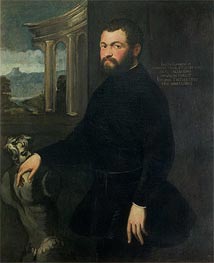
Jacopo Sansovino, Originally Tatti, Sculptor and ... n.d.
Oil Painting
$3085
$3085
Canvas Print
$113.23
$113.23
SKU: JTT-7885
Jacopo Robusti Tintoretto
Original Size: unknown
Galleria degli Uffizi, Florence, Italy
Jacopo Robusti Tintoretto
Original Size: unknown
Galleria degli Uffizi, Florence, Italy
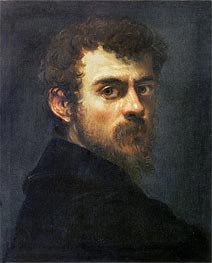
Self Portrait c.1546/48
Oil Painting
$2456
$2456
Canvas Print
$63.77
$63.77
SKU: JTT-7886
Jacopo Robusti Tintoretto
Original Size: 45.1 x 38.1 cm
Philadelphia Museum of Art, Pennsylvania, USA
Jacopo Robusti Tintoretto
Original Size: 45.1 x 38.1 cm
Philadelphia Museum of Art, Pennsylvania, USA
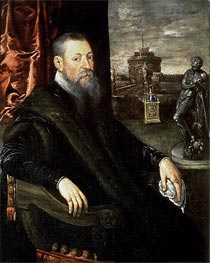
Portrait of an Art Collector n.d.
Oil Painting
$3532
$3532
Canvas Print
$128.39
$128.39
SKU: JTT-7887
Jacopo Robusti Tintoretto
Original Size: 111 x 90 cm
Private Collection
Jacopo Robusti Tintoretto
Original Size: 111 x 90 cm
Private Collection
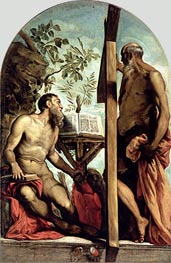
St. Andrew and St. Jerome n.d.
Oil Painting
$3418
$3418
Canvas Print
$104.34
$104.34
SKU: JTT-7888
Jacopo Robusti Tintoretto
Original Size: unknown
Gallerie dell'Accademia, Venice, Italy
Jacopo Robusti Tintoretto
Original Size: unknown
Gallerie dell'Accademia, Venice, Italy
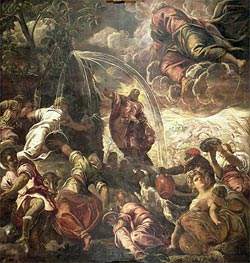
Moses Striking Water from the Rock 1575
Canvas Print
$153.11
$153.11
SKU: JTT-7889
Jacopo Robusti Tintoretto
Original Size: unknown
San Rocco, Venice, Italy
Jacopo Robusti Tintoretto
Original Size: unknown
San Rocco, Venice, Italy
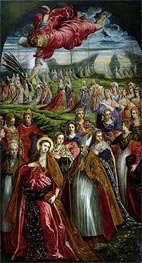
St. Ursula and the Eleven Thousand Virgins n.d.
Canvas Print
$70.54
$70.54
SKU: JTT-7890
Jacopo Robusti Tintoretto
Original Size: unknown
Private Collection
Jacopo Robusti Tintoretto
Original Size: unknown
Private Collection
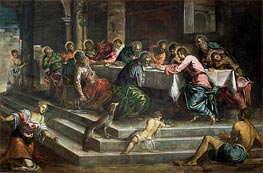
Last Supper n.d.
Canvas Print
$105.70
$105.70
SKU: JTT-7891
Jacopo Robusti Tintoretto
Original Size: unknown
San Stefano, Venice, Italy
Jacopo Robusti Tintoretto
Original Size: unknown
San Stefano, Venice, Italy
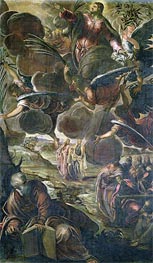
The Ascension of Christ n.d.
Canvas Print
$80.76
$80.76
SKU: JTT-7892
Jacopo Robusti Tintoretto
Original Size: unknown
San Rocco, Venice, Italy
Jacopo Robusti Tintoretto
Original Size: unknown
San Rocco, Venice, Italy
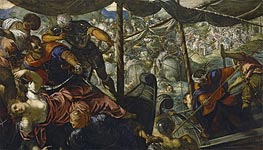
The Abduction of Helen c.1578
Canvas Print
$91.87
$91.87
SKU: JTT-7894
Jacopo Robusti Tintoretto
Original Size: 186 x 307 cm
Prado Museum, Madrid, Spain
Jacopo Robusti Tintoretto
Original Size: 186 x 307 cm
Prado Museum, Madrid, Spain
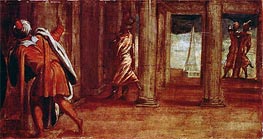
The Prostration of Bathsheba c.1548
Canvas Print
$63.77
$63.77
SKU: JTT-7895
Jacopo Robusti Tintoretto
Original Size: unknown
Gemaldegalerie Alte Meister, Dresden, Germany
Jacopo Robusti Tintoretto
Original Size: unknown
Gemaldegalerie Alte Meister, Dresden, Germany
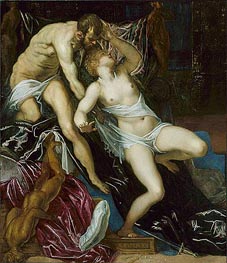
Tarquin and Lucretia c.1580/90
Oil Painting
$4343
$4343
Canvas Print
$81.53
$81.53
SKU: JTT-7896
Jacopo Robusti Tintoretto
Original Size: 175 x 151.5 cm
Art Institute of Chicago, Illinois, USA
Jacopo Robusti Tintoretto
Original Size: 175 x 151.5 cm
Art Institute of Chicago, Illinois, USA