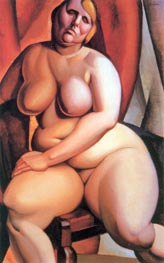
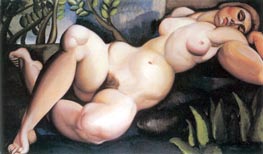
Akt Painting Reproductions - Page 31
The history of nude painting can be traced back to the ancient civilizations of Greece and Rome, where the naked human form was frequently depicted in art for religious, cultural, and aesthetic purposes. During the Renaissance, artists such as Michelangelo and Botticelli continued this tradition, creating masterpieces that celebrated the beauty of the human form.
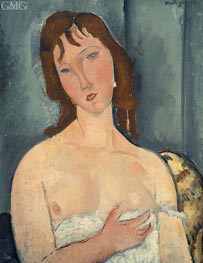
In the 19th century, the genre evolved with the advent of modernism, and many artists, such as Edouard Manet, used the naked body as a means of challenging societal norms and pushing boundaries. The 20th century saw further experimentation and exploration of the genre, with artists such as Pablo Picasso and Amedeo Modigliani incorporating elements of cubism and expressionism into their nudes.
The depiction of nudity in art has also been subject to moral, cultural, and political controversy throughout history. During the Victorian era, for example, nudity was often deemed inappropriate and was typically only depicted in a limited and idealized manner. In response, some artists sought to challenge these norms by creating more realistic and daring nudes that subverted traditional norms and expectations.
In recent years, the genre of nude painting has also become increasingly diverse, reflecting the changing attitudes and values of society. For instance, there has been a growing interest in representing the naked body in a more inclusive and diverse manner, with a greater emphasis on body positivity and representation of a wider range of body types.
Despite these changes, the genre of nude painting continues to be shaped by the cultural and political context of each era, reflecting the attitudes and values of the time. Nevertheless, the naked form remains a powerful and enduring subject for artists and art lovers alike, providing a rich and diverse canvas for exploring the human experience.
In the 19th century, the genre evolved with the advent of modernism, and many artists, such as Edouard Manet, used the naked body as a means of challenging societal norms and pushing boundaries. The 20th century saw further experimentation and exploration of the genre, with artists such as Pablo Picasso and Amedeo Modigliani incorporating elements of cubism and expressionism into their nudes.
The depiction of nudity in art has also been subject to moral, cultural, and political controversy throughout history. During the Victorian era, for example, nudity was often deemed inappropriate and was typically only depicted in a limited and idealized manner. In response, some artists sought to challenge these norms by creating more realistic and daring nudes that subverted traditional norms and expectations.
In recent years, the genre of nude painting has also become increasingly diverse, reflecting the changing attitudes and values of society. For instance, there has been a growing interest in representing the naked body in a more inclusive and diverse manner, with a greater emphasis on body positivity and representation of a wider range of body types.
Despite these changes, the genre of nude painting continues to be shaped by the cultural and political context of each era, reflecting the attitudes and values of the time. Nevertheless, the naked form remains a powerful and enduring subject for artists and art lovers alike, providing a rich and diverse canvas for exploring the human experience.
page 31 of 44
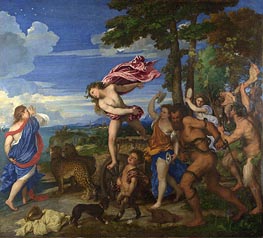
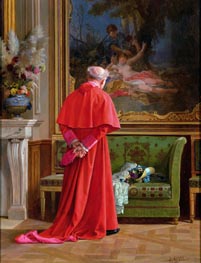
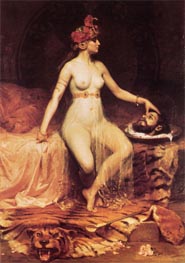
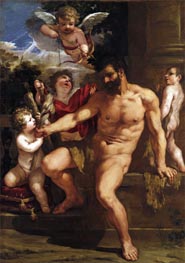
SKU: CPB-4875
Pietro Berettini da Cortona
Original Size: 300 x 200 cm
Liechtenstein Museum, Vienna, Austria
Pietro Berettini da Cortona
Original Size: 300 x 200 cm
Liechtenstein Museum, Vienna, Austria
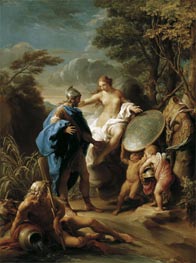
Venus Presenting Aeneas with Armour Forged by Vulcan 1748
Pompeo Girolamo BatoniOil Painting
$6073
$6073
Canvas Print
$69.83
$69.83
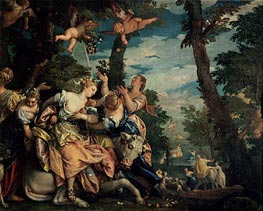
SKU: BPG-4873
Pompeo Girolamo Batoni
Original Size: 99 x 74 cm
Liechtenstein Museum, Vienna, Austria
Pompeo Girolamo Batoni
Original Size: 99 x 74 cm
Liechtenstein Museum, Vienna, Austria
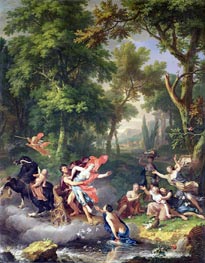
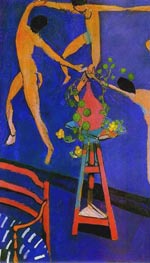
SKU: MAT-4799
Henri Matisse
Original Size: 190.5 x 114.5 cm
Pushkin Museum of Fine Arts, Moscow, Russia
Henri Matisse
Original Size: 190.5 x 114.5 cm
Pushkin Museum of Fine Arts, Moscow, Russia
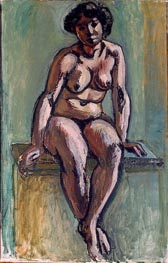
SKU: MAT-4789
Henri Matisse
Original Size: unknown
The State Hermitage Museum, St. Petersburg, Russia
Henri Matisse
Original Size: unknown
The State Hermitage Museum, St. Petersburg, Russia
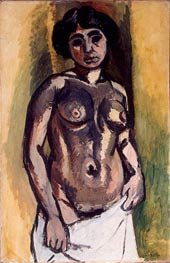
SKU: MAT-4788
Henri Matisse
Original Size: unknown
The State Hermitage Museum, St. Petersburg, Russia
Henri Matisse
Original Size: unknown
The State Hermitage Museum, St. Petersburg, Russia
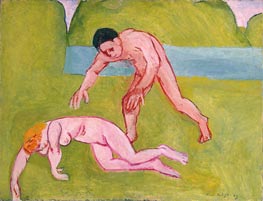
SKU: MAT-4786
Henri Matisse
Original Size: unknown
The State Hermitage Museum, St. Petersburg, Russia
Henri Matisse
Original Size: unknown
The State Hermitage Museum, St. Petersburg, Russia
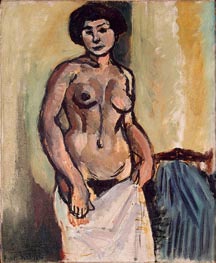
SKU: MAT-4782
Henri Matisse
Original Size: unknown
The State Hermitage Museum, St. Petersburg, Russia
Henri Matisse
Original Size: unknown
The State Hermitage Museum, St. Petersburg, Russia
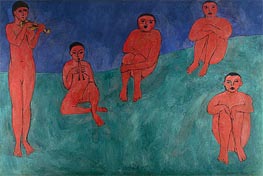
SKU: MAT-4774
Henri Matisse
Original Size: unknown
The State Hermitage Museum, St. Petersburg, Russia
Henri Matisse
Original Size: unknown
The State Hermitage Museum, St. Petersburg, Russia
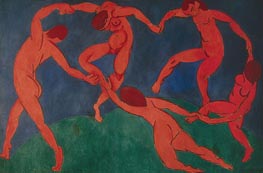
SKU: MAT-4773
Henri Matisse
Original Size: unknown
The State Hermitage Museum, St. Petersburg, Russia
Henri Matisse
Original Size: unknown
The State Hermitage Museum, St. Petersburg, Russia
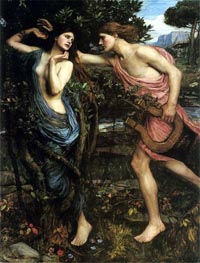
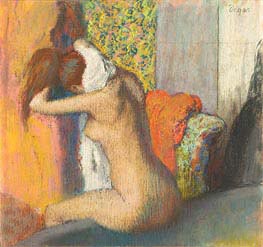
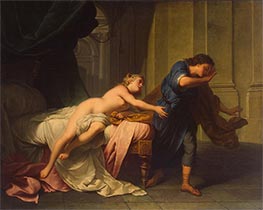
SKU: NJB-4680
Jean-Baptiste Nattier
Original Size: 73.5 x 92 cm
The State Hermitage Museum, St. Petersburg, Russia
Jean-Baptiste Nattier
Original Size: 73.5 x 92 cm
The State Hermitage Museum, St. Petersburg, Russia
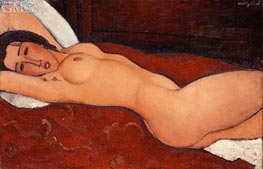
SKU: MOA-4658
Amedeo Modigliani
Original Size: 60.6 x 92.7 cm
Metropolitan Museum of Art, New York, USA
Amedeo Modigliani
Original Size: 60.6 x 92.7 cm
Metropolitan Museum of Art, New York, USA